
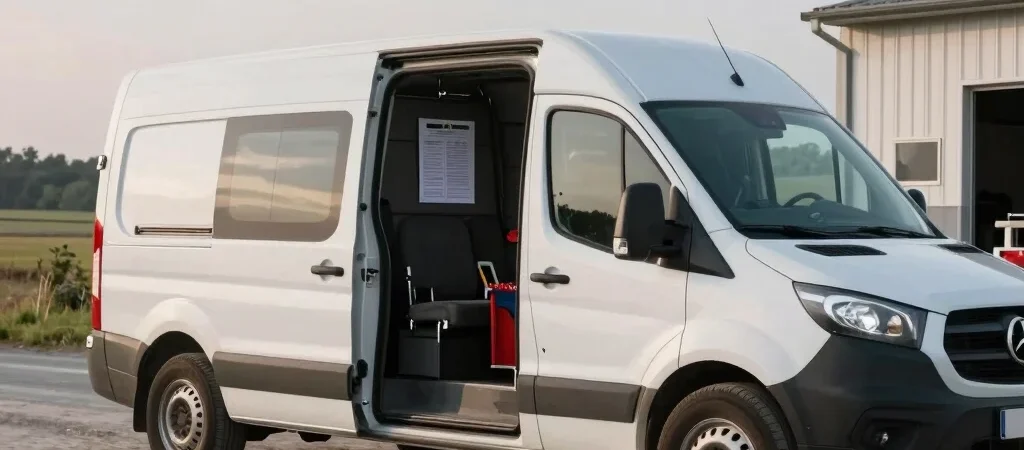
The first appointment runs long because access takes extra coordination. The next site is farther from the main road than expected, and a customer calls with a question while the crew is between jobs. Tank-care schedules have to make room for this kind of day, not just the ideal route.
Group Work by Geography
When possible, group nearby appointments and note access details before building the day’s route. A rural property, a gated commercial site, and a quick local visit may each require different travel and arrival planning. The goal is not to make every day identical; it is to reduce avoidable backtracking.
Leave Practical Time Buffers
Use your own job history to see which types of visits commonly take longer than the calendar suggests. Build a modest buffer around those appointments rather than promising a tightly packed schedule that depends on every task going smoothly. A realistic arrival window is often better for customers and crews than a precise time you cannot reliably keep.
Share Changes Early
If a delay affects the next customer, send an update as soon as you know, with a revised window or a clear next step. Record recurring causes of delay, such as missing site details or difficult access, so the team can improve its intake process. Good routing is part planning and part communication.